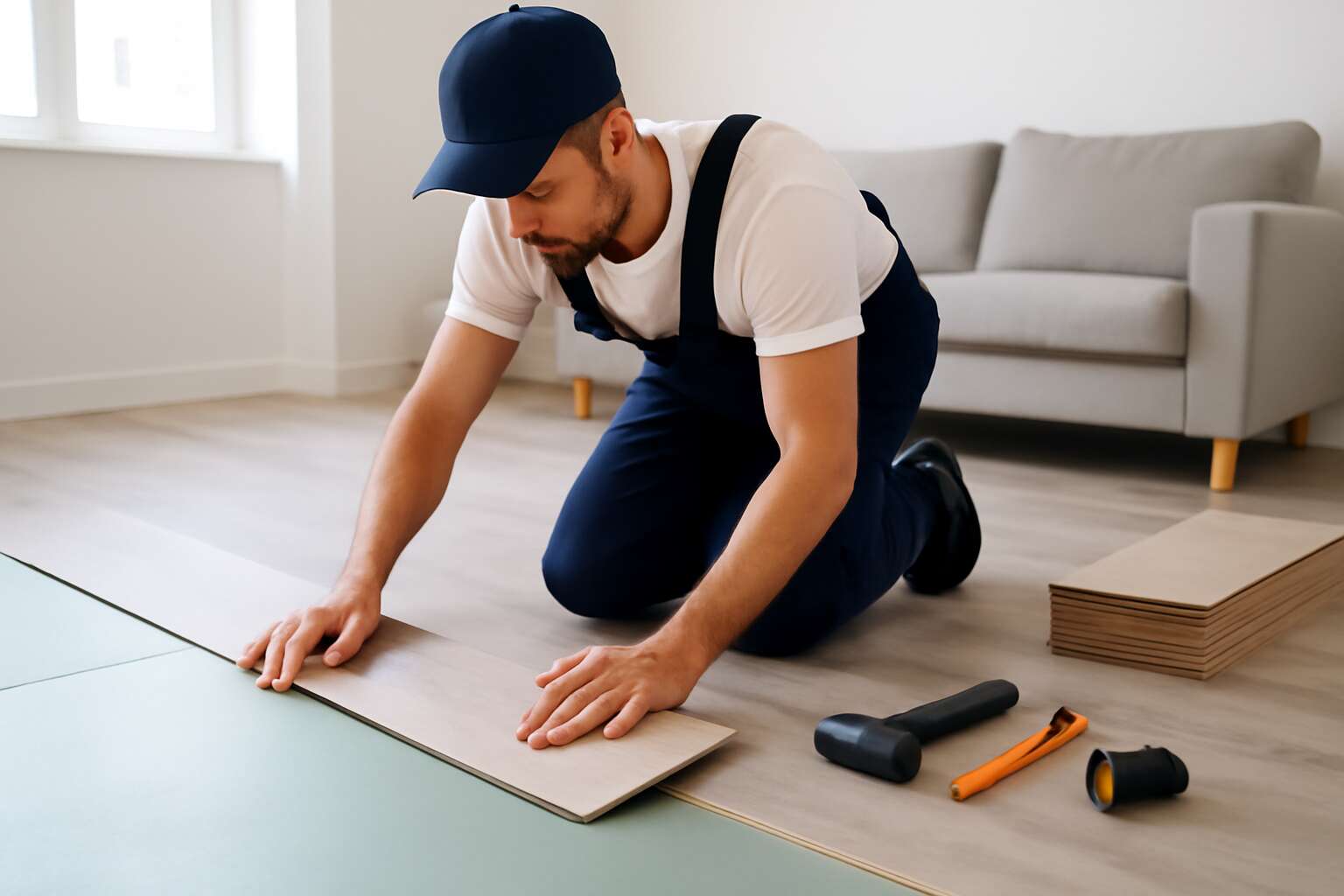
The subfloor repair is the least glamorous element of flooring that everyone doesn't like to talk about but nobody would like to spend money on. It doesn't show that it's done in a professional manner, it's not well-photographed in the same way, and adds expense to a budget which homeowners have most of the time already firmly committed to certain numbers. It is, no doubt, the single major factor in determining whether flooring performs exactly as it should, or begins falling apart within the first year. Philadelphia's housing stock -- rowhomes, twins, older colonial houses across Bucks County, Delaware County ranches that have crawlspaces is especially susceptible to subfloor problems that are not noticed until the new floor is laid down and begins to reveal them. What every homeowner should know prior to putting down the floor.
1. The Subfloor Is What Your New Floor Is Essentially Attached To
It's a simple concept, but it gets lost in the excitement when choosing materials. If you're installing naildown hardwood, glue-down LVP, floating laminate, or porcelain tile finished surfaces are only as secure as the subfloor beneath it. A subfloor with soft spots, flex, damages, or levels doesn't become irrelevant once new flooring covers itas it signals every issue upwards. Usually, it takes months. Certified flooring installers examine the subfloor before evaluating other flooring for the exact reason.
2. The older homes in Philadelphia have subfloor Conditions that frighten contractors
The homes constructed before 1960 in Philadelphia, South Jersey, and surrounding counties typically feature diagonally-cut board subfloors rather than plywood, a construction method that was popular at the time however it poses real challenges in the modern installation of flooring. Board subfloors are more prone to moving, having gaps that exist between planks, and are often required to be topped with an overlay of new plywood prior to installing tile or hardwood is possible. Contractors who don't flag this during an estimate either didn't do their homework or are intending to get around it to avoid problems in the future.
3. Soft Spots Are a Warning Signal, Not an Anxiety
A soft spot in the subfloor -- an area which gives slightly when you walk upon it - typically indicates dry rot, moisture damage or delamination of the subfloor material. Installing flooring on an area with a soft patch won't correct it, but it can cover it for a short period while the damage persists below. In the case of hardwood flooring installation for Philadelphia specifically, soft spots pose a serious threat to the nail or staple hold that holds the floor in place. Flooring that is lifting and squeaking or breaking away from the subfloor almost always is traced back to a soft spot that was never addressed prior installation.
4. The variation in level affects every flooring Type Differently
Most flooring producers specify a maximum allowable variation in subfloor flatness, which is typically 3/16 inch over the span of 10 feet. Achieving this tolerance impacts different materials in a variety of ways. Tile flooring is not the most forgiving: high spots crack tiles, low spots fracture grout lines and a subfloor that is uneven underneath large-format porcelain offers a guarantee of callbacks. LVP handles modest variation better than other floorings, however large gaps or dips continue to show throughout the course of time. Hardwood communicates irregularities as hollow spots or movement. Subfloor leveling compounds or targeted grinding are the solutions -avoiding them is the issue.
5. Moisture in the Subfloor is a distinct problem Apart from Humidity in the House
The two issues are separate requiring separate solutions. The indoor humidity of the room affects how wood flooring expands seasonally. Subfloor moisture -and vapor transmission via concrete or wicking through old wood subfloors, or the dampness that has accumulated from leaks -- directly attacks adhesive bonds, causes floating flooring floors to buckle and encourages the growth of mold beneath floors that have been finished. The proper measurement of moisture prior to floors are installed in Philadelphia homes is an essential procedure. If it's not done, the contractor is assuming instead of knowing what they're working with.
6. Concrete Slabs Require Moisture Testing Before Glue-Down Installation
In the United States, glue-down hardwood as well as LVP installation on concrete is common in Delaware County and South Jersey properties with slab-ongrade construction. However, what isn't widely known to homeowners is that concrete slabs release moisture vapour regularly, and the quantity will determine the degree of adhesion. An slab, even if it passes visual inspection could still fail the calcium chloride or relative humidity probe test. Flooring adhesive applied over surfaces with high emissions of vapor will break down its bond -- in some cases within one year -- and the floor will start to shift, swell or break.
7. Subfloor Repair Costs are difficult to estimate without seeing
That's why trustworthy flooring companies won't give you an upfront price at the end of a call. Repairs to subfloors in Philadelphia may range from a simple patch of plywood for $200 to a few dollars per square feet across an area of vast moisture damage. The only way to tell it is to go on a site tour and thorough assessment. homeowners who press contractors to provide a locked-in sum before anyone examines the subfloor could create a situation where either the contractor will construct a large possibility or cuts corners when problems show up mid-job.
8. Tile Installation is the most Inflicting Test to determine the integrity of your subfloor
Ceramic tile and porcelain tiles have no flexibility. They transmit stress directly to the bond beneath them. Subfloors that exhibit significant flex could crack grout and tile no matter it's how solid the tiles was installed. The requirement for installing tile is that the subfloor be stiff enough for the standard of deflection that engineers define as L/360which means that a 10 foot span can deflect no more than 1/30 of an inch when under pressure. Older Philadelphia properties often fall short with no reinforcement. Tile installation problems in bathrooms in older homes are almost all the time a result of subfloor stiffness hidden behind a wall.
9. The Subfloor's Addressing Now will Protect the value of refinishing in the future
One of the most significant advantages in the long run is its ability to polish and sand it several times over the years. The benefits are lost if subfloor beneath it gets damaged. Refinishing and sanding floors is a major undertaking in Philadelphia requires a solid well-fastened floorone that won't move, flex, or squeak underneath the sanding equipment. Subfloor problems that seemed to be manageable at installation become significant problems after refinishing is attempted a few months later. Making sure the floor is properly repaired from early stages will help ensure the floor is safe for any maintenance that the floor could require.
10. The Contractors Who Find Subfloor Problems Are the Ones Worth Inquiring
The idea may seem oddanyone doesn't like hearing the job they were doing just got higher-cost before it even began. However, a flooring company that explores your area, pinpoints subfloor problems and includes repairs within their scope of work is doing precisely what a professional would do. The ones who don't talk about it, quote low the price, then lay flooring on a subfloor they've damaged is the one who gets negative reviews a few months later. If you're receiving estimates for flooring in Philadelphia, the inspection thoroughness before the quote is given covers everything you'll need to know about the flooring installation will be. Read the most popular
kitchen tile flooring Philadelphia for blog recommendations including LVP flooring Philadelphia PA, ceramic tile flooring Philadelphia, porcelain tile installation Philadelphia, vinyl plank flooring Philadelphia PA, cheap flooring installation Philadelphia, flooring installation cost Philadelphia, waterproof flooring installation Philadelphia, flooring installation near me Philadelphia, floor sanding and refinishing Philadelphia, flooring installation near me Philadelphia and more.
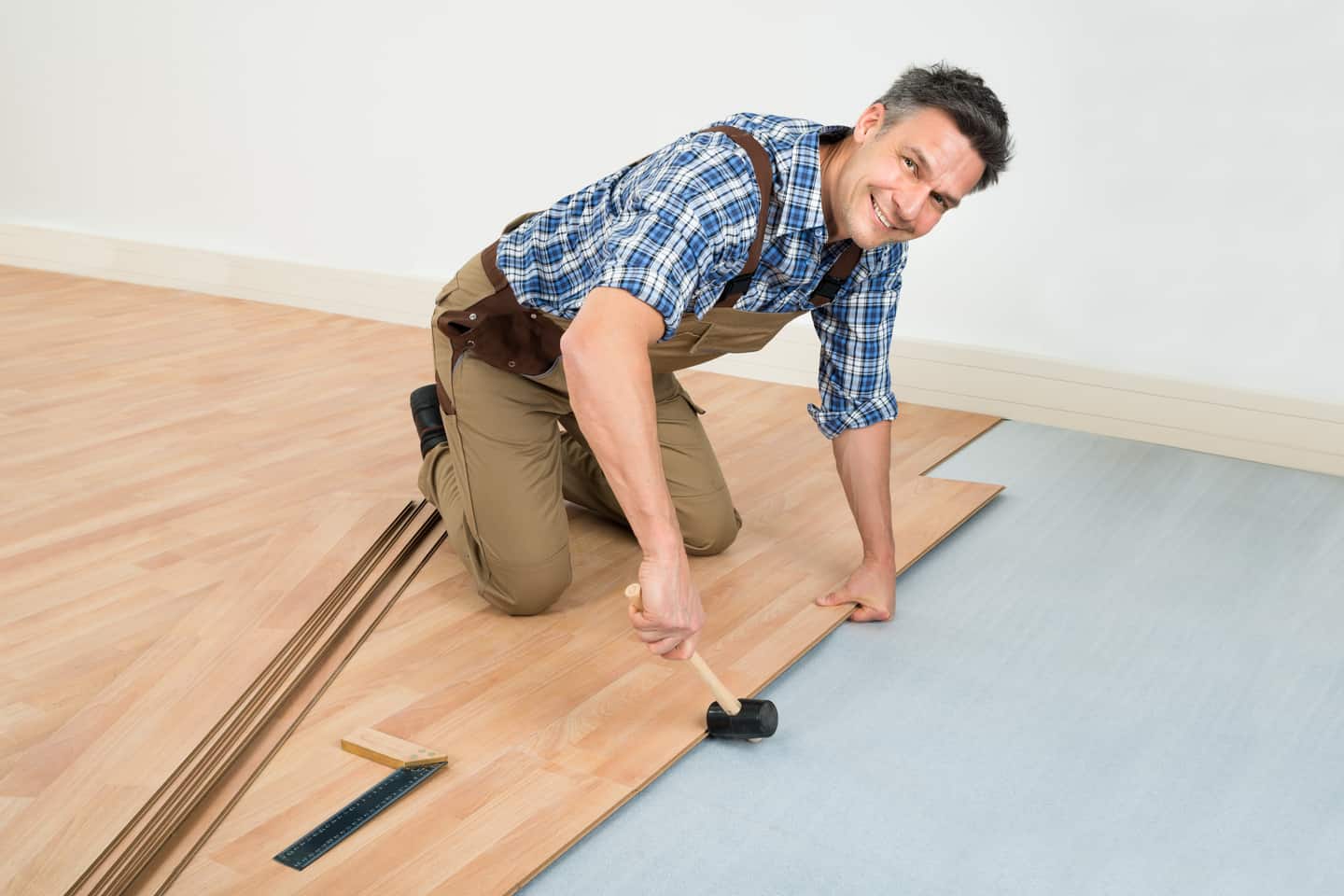
Tile Vs. Laminate: Which Is The Best Option For Philly Kitchens
The flooring of the kitchen in a Philadelphia residence is more important than other rooms, as kitchens in this area work hard. Rowhome kitchens that function as social hubs galley kitchens in older homes that experience constant people walking through, kitchens that are open that have been renovated Delaware County colonials -- they all have identical challenges: dropping things, water, grease, and decades of use. Laminate and tile both show up regularly in flooring estimates across the Philadelphia metro area, and both have genuine arguments in their favor. However, they're different, and choosing the wrong option for a kitchen area is evident sooner than be in any other area of the house. Here's how this comparison comes down.
1. Water Resistance Is the Initial Filter to be Applied and Tiles Win It Cleanly
Kitchens get wet. Dishwashers spill, sinks overflow and glasses end up slipping over, and mop gets wet longer than ought to. Ceramic tile and porcelain are basically impervious to water on the surface. the possibility of a problem, if it exists lies within the grout. It is solved with a suitable sealing. Laminate has a wood-fiber core that absorbs water the moment it is submerged beneath the surface layer. And in a kitchen that happens eventually. If the laminate expands along edges or seams the wear and tear is permanent, and your flooring has to be replaced. The installation of waterproof flooring in a Philadelphia kitchen is a good objective, but laminate does not fulfill it.
2. Laminate has a lower entry cost, but a shorter kitchen Lifespan
Here is where laminate makes its most convincing case. Laminated flooring installed in Philadelphia kitchens is always less expensive than tile- lesser material costs, more speedy process, no need to use mortar or grout. For homeowners with a small budget who require a kitchen floor that looks great, laminate is attractive. A more honest alternative to it is its life. The tiles that are installed correctly in a Philadelphia kitchen will last from 20-30 years with no significant intervention. Laminate and tile in one kitchen that is exposed to the humid conditions the kitchens create, frequently becomes problematic after five to 10 years.
3. Porcelain Outperforms Ceramic In High-Traffic Kitchen Conditions
It is important to note that not all tiles are equal in a kitchen. Porcelain is stronger, denser and more porous than ceramic. It is capable of handling cast iron pans that have been dropped chairs, dropped cast iron pans, and constant foot traffic better over time. Ceramic tile flooring is an acceptable option for kitchens, especially smaller kitchens where traffic is a major consideration, but the density difference is significant in a space which takes as much punishment as a kitchen does. Philadelphia flooring contractors who perform the majority of kitchen tile installation tend to push the choice of porcelain, unless cost is the main consideration.
4. Laminate Comfort Underfoot Is an Effective Advantage
This doesn't get enough recognition in the tile vs. laminate conversation. Tile is hard and cold -sitting on it for a long cooking session is significantly more tiring than laminate, which offers a slight cushioning and feels warmer underfoot. In a Philadelphia rowhome, where the kitchen floor runs over a basement that's not well-insulated, ceramic tile in winter is realy unpleasant if there is no radiant heat beneath. Laminate can't solve every flooring issue for kitchens, however it does solve this problem and for those who stand for a long time in their kitchen, it's definitely a substantial quality of life issue.
5. Cleaning Grout Is the Most Honest downfall of Tile
The tile is durable and has water resistance, however grout's weaknesses are. Unsealed or aging grout in a kitchen absorbs grease, the stains and bacteria. The maintenance of tile floors to keep them good requires sealing grout prior to construction and resealing every few years over the duration of the floor. Philadelphia tile flooring companies that can be honest about this will do you the favor of. The homeowners who select tile with the expectation of low maintenance are often the ones who are left having grout lines with grey grout that were originally white.
6. Large Format Tiles alter both the appearance of the kitchen and Subfloor requirements.
Large porcelain tiles that are larger than 24x24 These tiles are becoming increasingly popular in Philadelphia kitchens, and they do look genuinely impressive provided they are set in the right spot. The practical catch is that large format tile is most demanding of subfloor flatness as opposed to smaller ones. Any variance in the subfloor results in lippage edges with slightly different heights, which could be a visual nuisance and a trip hazard. Subfloor repair before large format ceramic tile is installed Philadelphia kitchens is generally necessary, adding cost that doesn't figure in a construction-only cost estimate.
7. Laminate can't be refinished once It Gets Worn
Flooring for kitchens made of hardwood is less well-known, but not unheard of -- can be sanded down and refinished in the event of wear. Tile can have individual cracked tiles replaced. Laminate does not provide a choice. If the wear layer on the laminate is damaged, which is more likely to happen in kitchens more than in bedrooms it is time to replace the floor. For homeowners who plan to remain in their Philadelphia home for more than 15 years, the floor's inability be replaced is a significant long-term cost factor that the cost of the initial purchase isn't always offset.
8. LVP Is the Third Option LVP is the third option that both comparisons keep pointing towards.
It's worth mentioning it explicitly the fact that luxury vinyl planks are waterproof like tile, warmer and softer underfoot than laminate and is more durable in kitchens or in relation to the precise combination of moisture and foot traffic. LVP flooring has been installed into Philadelphia kitchens has risen significantly due to the fact that it eliminates the main tension between these two options most homeowners are comparing. The best option isn't for every kitchen and it's also the reason the tile is vs. laminate debate is increasingly ending with a flooring professional recommending an alternate option.
9. The Installation Time varies a lot between the Two
Laminate kitchen flooring can be installed quickly. A small to medium-sized kitchen can usually be completed in just a few hours. The installation of tile takes more time: the time to set mortar for grout curing, mortar setting time, and the precision needed for layout and cutting adds to. For Philadelphia homeowners looking to build a functional kitchen in a hurry laminate offers a sensible benefit in scheduling. If you are making a large-scale kitchen remodeling which has already extended, the tile's requirements for installation reduce to consider.
10. The kitchen's existing subfloor should Be the primary factor that determines the final call
More than aesthetics and budget and more about personal preference -- the quality and condition of the subfloor in your Philadelphia kitchen must be a essential factor when deciding which subfloor you select. A sturdy, flat subfloor gives you a multitude of options, including large format tile. A subfloor made of diagonal boards might require an overlay before tile becomes viable, and the cost affects the budget. Concrete slabs below grade alters the discussion about moisture completely. The most reliable flooring builders in Philadelphia will test the kitchen's subfloor first and let the assessment inform the choice rather than following what they have most of in their warehouse. View the top rated See the top rated tile flooring contractors Philadelphia PA for more info including tile flooring contractors Philadelphia PA, laminate flooring installation Philadelphia, hardwood floor installation South Jersey, hardwood floor installation cost Philadelphia, flooring contractors Bucks County, hardwood floor installation Philadelphia, LVP flooring contractors Philadelphia, flooring estimate Philadelphia, laminate flooring installation Philadelphia PA, wood floor restoration Philadelphia and more.